Nizoral (Ketoconazole) — Patient Information (UK)
Nizoral contains ketoconazole, an antifungal medicine used to treat certain fungal infections. This page explains how it works, how it’s typically used, key safety points, and practical guidance for patients in the United Kingdom.
Always follow the instructions provided with your product or by your healthcare professional. If you are unsure whether Nizoral is right for your condition, seek medical advice.
1) Basic product information
- Medicine name: Nizoral
- Active ingredient: Ketoconazole
- Common forms (UK): Oral tablets may be used for selected fungal infections. Ketoconazole is also available in topical forms (for example, shampoos and creams) for some skin/scalp conditions depending on the product.
- Therapeutic group: Antifungal
Important note for UK use: In the UK, the availability of oral ketoconazole has been restricted due to safety concerns affecting the liver. Many patients may use topical ketoconazole products instead (such as medicated shampoo) for appropriate conditions. Availability and suitability depend on the exact product and clinical situation.
2) How Nizoral works (mechanism of action)
Ketoconazole is an antifungal that works mainly by interfering with the fungus’s ability to produce essential cell components.
- It inhibits fungal enzymes required for ergosterol synthesis.
- Ergosterol is a key component of the fungal cell membrane.
- Without adequate ergosterol, the fungal cell membrane becomes weak and the fungus cannot grow or multiply effectively.
As a result, ketoconazole can help reduce fungal growth and symptoms such as itching, redness, flaking, and inflammation depending on the site of infection.
3) Pharmacokinetics (how the body handles it)
Pharmacokinetics describes how a medicine is absorbed, distributed, metabolised, and eliminated.
Oral ketoconazole (tablets)
- Absorption: Ketoconazole tablets are absorbed through the stomach and intestines. Absorption can be affected by stomach acidity; medicines that reduce stomach acid may lower absorption.
- Distribution: Once absorbed, ketoconazole distributes throughout the body tissues.
- Metabolism: Ketoconazole is extensively metabolised by the liver (hepatic metabolism).
- Elimination: The medicine is cleared primarily via metabolism and excretion of metabolites.
Topical ketoconazole (cream/shampoo)
- Absorption: Topical ketoconazole is designed to act locally. Systemic absorption is generally much lower than with oral tablets.
- Action: It targets fungal growth on the skin or scalp.
Why this matters: Oral ketoconazole has greater systemic exposure and therefore carries a higher risk of drug interactions and liver-related side effects than topical use.
4) Typical use in the UK
The right use depends on the fungal condition, the body site involved, and the form of ketoconazole being used.
Common indications for ketoconazole
- Skin fungal infections (for example, certain dermatophyte-related conditions, and yeast-related skin infections depending on product and local guidance)
- Severe or resistant fungal infections where ketoconazole is considered appropriate in specialist care
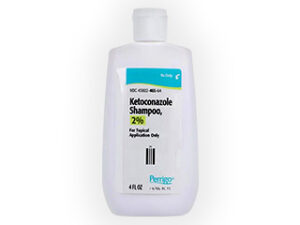
- Scalp conditions such as seborrhoeic dermatitis (often treated with medicated shampoo containing ketoconazole)
- Fungal infections of the hair/skin where a topical ketoconazole product is suitable
Key UK point: Because of liver safety concerns, oral ketoconazole is generally reserved for selected cases and may be less commonly used than other antifungals. Many patients in the UK receive topical ketoconazole for skin/scalp conditions.
5) Indications (what it is used for)
Depending on the exact ketoconazole product (oral vs topical), it may be indicated for different fungal conditions.
| Product type | Typical indications | Where applied/used |
|---|---|---|
| Oral ketoconazole | Selected systemic fungal infections where benefits outweigh risks | Whole body (systemic treatment) |
| Ketoconazole topical (cream) | Fungal infections of the skin | Local application to affected areas |
| Ketoconazole medicated shampoo | Seborrhoeic dermatitis and related scalp conditions | Scalp and hair-bearing areas |
6) Dosing and timing
Dosing depends on the formulation and the infection being treated. Below are general patterns; always check your specific product packaging or the advice you were given.
Oral ketoconazole (general dosing principles)
- Typical timing: often taken with food to help absorption (see “food interactions” below).
- Duration: can be weeks for skin problems and may be longer for systemic infections depending on the diagnosis and response.
Topical ketoconazole
- Cream: usually applied to clean, dry affected skin in a thin layer, often once or twice daily depending on the product.
- Shampoo: usually used for a set period (for example, several weeks), commonly with instructions to leave on for a few minutes before rinsing.
Missed dose: If you miss a dose, take it as soon as you remember unless it is close to the next dose. Do not double up. For topical products, simply apply at the next scheduled time.
Course completion: Fungal infections often improve before the fungus is fully cleared. Continue treatment for the recommended length of time to reduce relapse.
7) Food interactions (important)
Oral ketoconazole absorption can depend on stomach acid and food intake. Food may increase absorption and improve effectiveness in some situations.
- Take with food if your product instructions say so.
- Avoid changes that dramatically reduce stomach acid without discussing them with a healthcare professional.
- Antacids or acid-reducing medicines may reduce absorption (see “medicine interactions” section below for details).
Practical tip: If you are taking antacids, proton pump inhibitors, or H2 blockers, ask a pharmacist whether spacing doses is needed for ketoconazole tablets.
8) Alcohol interactions
Alcohol and ketoconazole are best handled with caution. Alcohol may increase the risk of stomach irritation and could potentially add to strain on the liver when combined with medicines associated with liver effects—particularly for oral ketoconazole.
- General advice: avoid heavy or regular alcohol intake while taking oral ketoconazole.
- If you develop symptoms such as unusual tiredness, dark urine, yellowing of the skin/eyes, or persistent nausea, contact a healthcare professional promptly.
Topical ketoconazole usually has far less systemic exposure, but if you are applying it to large areas or under occlusion, ask for advice.
9) Medicine interactions (including common interaction types)
Ketoconazole can interact with other medicines because it can affect liver enzyme activity and because its absorption depends on stomach conditions. Interactions can be significant, especially with oral ketoconazole.
Medicines that may reduce ketoconazole absorption
- Acid-suppressing medicines such as proton pump inhibitors (PPIs) and some H2 receptor blockers may reduce absorption.
- Antacids and some buffering agents may also affect absorption.
Medicines that may have clinically important interactions with ketoconazole
- Medicines metabolised by the liver may increase or decrease levels when taken together.
- Some medicines can increase the risk of rhythm problems in the heart when levels rise; therefore, certain combinations may be avoided.
Advice for safe use
- Make a list of all medicines you take, including over-the-counter products and herbal supplements.
- Ask a pharmacist whether any of your medicines may interact with ketoconazole.
- Do not start new medicines while taking ketoconazole without checking first.
Note: Interaction severity depends on dose, formulation, and individual factors.
10) Safety profile and side effects
Like all medicines, ketoconazole can cause side effects. Many people tolerate it well, but oral ketoconazole has a higher risk profile than topical preparations.
Common side effects
- Headache
- Nausea, stomach discomfort
- Rash or skin irritation (more relevant to topical forms)
- Dizziness (less common)
Serious side effects — seek urgent advice
Oral ketoconazole: because of potential liver effects and other risks, stop and seek urgent medical advice if you experience symptoms suggestive of liver injury or severe reaction, such as:
- Yellowing of the skin or eyes (jaundice)
- Dark urine and pale stools
- Severe or persistent nausea/vomiting or abdominal pain
- Unusual tiredness with weakness
- Signs of allergy such as swelling of the face/lips, breathing difficulty, or widespread rash with fever
Topical ketoconazole safety
- Local side effects may include dryness, irritation, or burning/stinging where applied.
- Stop use and seek advice if you develop a severe local reaction or signs of allergy.
11) Practical use tips (how to get the best results)
General tips for oral ketoconazole
- Take exactly as directed (dose and timing matter for effectiveness and safety).
- Take with food if your instructions recommend it.
- Keep an eye on symptoms: if you notice signs of liver problems or severe side effects, seek advice promptly.
- Attend follow-up if monitoring is advised (for example, during longer courses).
General tips for ketoconazole cream
- Wash hands before and after applying.
- Clean and dry the affected area before application.
- Apply a thin layer and rub in gently.
- Continue for the recommended period even if symptoms improve quickly.
General tips for ketoconazole shampoo (scalp use)
- Wet hair and scalp, apply the shampoo to the scalp and massage gently.
- Leave on for the time specified on your product label before rinsing.
- Use at the recommended frequency (often a set number of times per week for several weeks, then maintenance if needed).
- Avoid contact with eyes. If it gets in your eyes, rinse thoroughly with water.
12) Missed doses and treatment failure
- Missed dose: follow the product instructions. If you’re close to the next dose, skip the missed one rather than doubling.
- Symptoms not improving: fungal infections can take time. If there is no improvement after the expected timeframe, or if symptoms worsen, consult a pharmacist or GP.
- Reinfection: reinfection can occur if source conditions remain (for example, ongoing scalp inflammation or untreated close contacts in some settings). Guidance may be needed.
13) Alternative options (what else may be used)
Depending on the infection type and location, other antifungals may be considered in the UK.
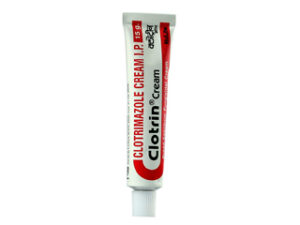
- Topical antifungals: creams and gels such as clotrimazole, miconazole, or terbinafine may be used for certain skin infections.
- Alternative antifungal shampoos: for dandruff/seborrhoeic dermatitis, products may include other actives depending on availability and suitability.
- For systemic fungal infections: other oral antifungals such as itraconazole, fluconazole, or terbinafine may be used depending on the organism and patient factors.
Your pharmacist or clinician can suggest alternatives based on your diagnosis, medical history, and medicine interactions.
14) Market and legal context in the United Kingdom
Medicines for fungal infections must meet UK regulatory standards. In recent years, regulatory and safety communications have influenced how and when oral ketoconazole is used, particularly regarding liver safety and potential for serious drug interactions.
- Oral ketoconazole use is more restricted than in some other regions due to safety concerns.
- Topical ketoconazole products may still be available and commonly used for appropriate skin/scalp conditions.
- Prescribing decisions in the UK typically consider the balance between benefit and risk, and alternatives are often preferred where appropriate.
Recent guidance (general theme): UK safety communications have emphasised the need for careful assessment, avoidance of unnecessary exposure, and attention to interacting medicines. Patients are encouraged to report side effects promptly and to inform healthcare professionals about all medicines they take.
15) Delivery and availability
Availability varies by formulation (oral vs topical) and by local pharmacy stock or ordering systems. Online pharmacy delivery in the UK may include standard and express options depending on the supplier and address.
- Availability: Some ketoconazole products may be stocked more readily than others.
- Dispatch: Delivery times depend on order cut-off times and courier schedules.
- Packaging: Orders are typically dispatched in secure, tamper-evident packaging.
Tip: If you’re looking for a specific form (for example, shampoo vs cream), search by the exact product name on the pharmacy site and confirm active ingredient and strength on the label.
16) When to seek medical advice
Seek professional advice if:
- You suspect a fungal infection but are unsure of the diagnosis (rashes can have many causes).
- Symptoms are severe, spreading quickly, or associated with fever or significant pain.
- You have a history of liver problems or heavy alcohol use and are considering oral ketoconazole.
- You experience any signs of liver injury or a serious allergic reaction.
- Your symptoms do not improve after the recommended course.
17) FAQ
Is Nizoral the same as ketoconazole?
Yes. Nizoral is a brand name. The active ingredient in Nizoral is ketoconazole. Different products may have different strengths or forms (oral vs topical).
What infections does Nizoral treat?
Ketoconazole can treat certain fungal infections, with the most common patient-facing uses often including skin and scalp conditions (particularly with topical products). Oral ketoconazole may be used for selected systemic infections where appropriate, considering safety and alternatives.
How long does it take to work?
Many fungal skin and scalp symptoms start to improve within days, but complete clearing may take longer. The typical duration depends on the condition and form (cream/shampoo/tablets). If there’s no improvement within the expected period, seek advice.
Can I use Nizoral for dandruff?
Ketoconazole medicated shampoos are commonly used for dandruff and seborrhoeic dermatitis. Use the product as directed and consider maintenance schedules if symptoms return.
Should I take Nizoral with food?
For oral ketoconazole, taking it with food is commonly recommended to help absorption, but always follow the specific instructions on your product packaging.
Can I drink alcohol while using Nizoral?
With oral ketoconazole, it’s best to avoid heavy alcohol intake due to safety considerations, particularly relating to the liver. With topical products, systemic exposure is usually lower, but moderation is still sensible.
What medicines interact with ketoconazole?
Ketoconazole can interact with other medicines, especially those affecting stomach acid, liver metabolism, or heart rhythm. If you take any regular medicines, ask a pharmacist to check interactions before starting.
Are there liver-related risks?
Oral ketoconazole can be associated with liver problems. This is why UK use is more restricted and why patients are advised to report symptoms like jaundice, dark urine, or persistent nausea promptly.
Can I stop taking Nizoral once I feel better?
For fungal infections, stopping early can lead to relapse. Complete the recommended course unless you are advised to stop due to side effects or concerns.
What are alternatives if ketoconazole isn’t suitable?
Depending on the infection, alternatives can include other topical antifungals (such as clotrimazole or terbinafine) and other oral antifungals (chosen based on diagnosis and safety). A pharmacist or clinician can advise on the most suitable option.
Further information: If you have questions about how to use Nizoral safely, or you’re unsure about interactions with your other medicines, speak to a pharmacist. Always read the patient information leaflet supplied with your product.