Aldara (Imiquimod) Cream — Patient Information (UK)
Aldara contains imiquimod, an immune-response modifier used to treat certain skin conditions caused by specific viruses or abnormal skin growth. This guide explains what Aldara is, how it works, how to use it safely and effectively, and what to expect. It is written for people in the United Kingdom and reflects typical UK pharmacy guidance and product availability patterns.
Basic product information
| Item | Details |
|---|---|
| Brand name | Aldara |
| Generic name | Imiquimod |
| Medicinal form | Cream (topical) |
| Common strengths | Most commonly supplied as 5% cream for approved indications |
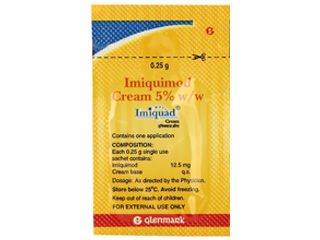
| How it’s supplied | Single-dose sachets are commonly available; each sachet contains a measured amount of cream |
| Route of administration | Apply to the skin only |
Important: Aldara should only be used for the specific condition it has been recommended for and exactly as directed.
How Aldara works (mechanism of action)
Imiquimod works by helping your immune system recognise and respond to abnormal cells and certain viruses.
- It stimulates local immune activity in the skin by binding to immune signalling pathways (including Toll-like receptor 7).
- This leads to the release of immune chemicals, particularly interferon and other cytokines (messenger signals).
- The result is enhanced immune surveillance and activity that can help clear specific lesions and reduce viral activity associated with the treated condition.
Because Aldara works through the immune system, visible changes in the treated area often occur over time and may include redness, swelling, or crusting.
Pharmacokinetics (how the body handles imiquimod)
When applied to the skin, imiquimod is generally absorbed in small amounts. Most of the drug remains local to the application site.
- Absorption: Systemic (whole-body) absorption is limited, especially when used on small areas and for short durations.
- Distribution: Only small quantities reach the bloodstream.
- Metabolism: The compound is metabolised in the body (primarily through enzymatic pathways).
- Elimination: Metabolites are removed mainly via urine.
Factors that can increase absorption include applying to large areas, using more than recommended, broken/irritated skin, or using under occlusion (covering with airtight materials).
Typical uses in the UK
Aldara is used for conditions where an immune-stimulating topical treatment is appropriate. In the UK, indications commonly include:
- External genital warts (HPV-related) in adults and adolescents of an appropriate age group (as per product marketing authorisation and clinical practice).
- Superficial basal cell carcinoma (sBCC) where topical treatment is suitable.
- Actinic keratosis (certain sun-damaged skin lesions) in adults, when recommended by a clinician.
- Other authorised uses may vary based on country-specific authorisation and local guidelines.
If you are unsure whether Aldara is appropriate for your skin problem, consult a healthcare professional—misuse on the wrong condition can delay diagnosis and treatment.
Timing and duration of treatment
Aldara is typically applied once daily in the evening and left on the skin for a set period (commonly around 6 to 10 hours, depending on the specific regimen you are following), then washed off. Always follow the instructions provided with your product or treatment plan.
General practical timing pattern (commonly used):
- Apply in the evening to allow it to work overnight.
- Leave on the skin for the specified number of hours.
- Wash off thoroughly the next morning or after the specified time.
- Treatment frequency often differs by condition (for example, several nights per week for warts; daily or pulsed schedules for other conditions).
The total duration also varies by condition. Many treatments take several weeks, and improvements may appear gradually.
Food interactions
Aldara is a topical medicine and systemic exposure is limited; therefore, food interactions are not a major concern.
- No specific dietary restrictions are usually required.
- However, any medication you take alongside Aldara (such as oral treatments) may have its own food-related advice—always check those medicines.
- If you feel unwell, monitor symptoms and seek medical advice if they worsen.
Alcohol and medicine interactions
There are no well-known direct interactions between Aldara and alcohol, because imiquimod exposure from the skin is generally low.
That said, alcohol may indirectly affect you by worsening:
- Skin sensitivity (some people notice more irritation with alcohol-related flushing)
- Immune system balance if alcohol intake is heavy
- Adherence (missed evening doses)
If you take other medicines, especially those that affect the immune system (for example, immunosuppressive therapies), discuss your situation with a healthcare professional. People with significant immune system changes may have different risk profiles and response to treatment.
Indications (when Aldara may be used)
In the UK, Aldara is intended for specific authorised skin conditions. Common approved or widely used indications include:
- External genital warts (HPV-related), typically in adults and adolescents, depending on local product licence and clinical guidance.
- Superficial basal cell carcinoma, where topical treatment is appropriate.
- Actinic keratosis, for certain lesion types and patient selection.
Not for: Aldara is not generally used for general acne, infected eczema, fungal rash, or unexplained lumps without an assessment. If a lesion changes rapidly, bleeds, becomes ulcerated, or does not respond, seek prompt medical advice.
Dosing and how to apply Aldara
The correct dose depends on the condition and the size of the area being treated. Aldara is measured in sachets, and a thin layer should be applied to cover the lesions and surrounding area as directed.
General dosing principles
- Use the amount from one sachet to cover the area prescribed (do not apply more than instructed).
- Apply a thin layer to clean, dry skin.
- Apply to the affected area and (for many conditions) a small margin around it—follow the instructions you were given.
- Wash hands before and after application (unless your hands are part of the treatment area).
Typical application schedule (varies by indication)
- Genital warts: Often applied three times per week (for example, every other day such as Monday/Wednesday/Friday) until clearance or for a maximum duration as advised.
- Superficial basal cell carcinoma: Often applied five nights per week for a defined course duration, depending on lesion response.
- Actinic keratosis: Regimens may involve multiple times per week or other schedule variations depending on the specific product advice.
Follow your specific regimen: Different schedules are used for different conditions. Your clinician or product instructions will specify exactly how many nights per week and for how long.
Step-by-step practical use
- Clean the area with water (and mild, non-irritating cleanser if needed), then pat dry completely.
- Apply in the evening using a thin layer.
- Gently rub in until the cream disappears.
- Avoid contact with eyes, nostrils, mouth, and internal body surfaces.
- After the required time (commonly 6–10 hours), wash off with water and a gentle cleanser, then dry.
- If the treated area becomes very irritated, you may need supportive measures (such as gentle moisturising on non-ulcerated skin) but do not change your dose without advice.
Food and hygiene considerations
There are no major food restrictions, but skin hygiene matters for treatment success:
- Keep the area clean and dry between applications.
- Do not cover the treated area with airtight dressings unless instructed.
- Avoid harsh soaps, scrubbing, or irritating topical products on the treated area.
Safety profile and side effects
Aldara commonly causes local skin reactions, particularly during effective treatment. These are often signs that the medicine is acting in the area, but severe reactions should be assessed.
Common local reactions
- Redness (erythema)
- Swelling (oedema)
- Burning, itching, or pain
- Crusting, peeling, or scabbing
- Small sores or ulceration in some cases
When to seek medical advice urgently
Seek medical advice promptly if you experience any of the following:
- Severe or rapidly worsening swelling, blistering, or intense pain
- Signs of infection: increasing warmth, spreading redness, pus, fever, or feeling unwell
- Extensive blistering/ulceration, especially on genital areas
- Eye symptoms if accidental contact occurs (pain, redness, vision changes)
- Allergic reactions such as widespread rash, facial swelling, or difficulty breathing (call emergency services)
Systemic side effects
Systemic effects are uncommon, but some people may experience:
- Flu-like symptoms (fatigue, feverish feeling, muscle aches)
- Headache
- Mild generalised skin discomfort
If you feel unwell or have persistent symptoms, contact a healthcare professional.
Who should be extra cautious?
- People with autoimmune diseases may need individual assessment.
- People using immunosuppressive therapy may respond differently and could be at higher risk of side effects.
- If you are pregnant or breastfeeding, the risks and benefits should be discussed with a healthcare professional.
- Avoid use on areas with active infection unless directed.
Practical use tips to get the best results
- Consistency matters: Try not to skip doses. Use the schedule you were advised.
- Thin layer only: More cream does not necessarily work better and may increase irritation.
- Respect washing time: Leaving it on longer than instructed can increase side effects.
- Don’t “double up”: If you miss a dose, apply it when you remember only if it doesn’t conflict with your next scheduled application. Avoid doubling.
- Protect sensitive skin: Use gentle cleansing and avoid fragranced products on the treated area.
- Expect inflammation: Redness and crusting may mean the treatment is working; however, stop and seek advice if reactions become severe.
Genital area practical tips
If using Aldara for genital warts, additional comfort measures may help:
- Wear loose, breathable underwear.
- Avoid sex or use barrier protection as advised during treatment, since irritation and viral transmission considerations may apply.
- Avoid applying to the inside of the vagina or urethra.
Alternative options
Depending on the condition, alternatives may include other topical treatments, procedural options, or watchful waiting. Your clinician may consider factors such as lesion size, location, number of lesions, immune status, and previous treatments.
- For genital warts: other patient-applied or clinician-administered therapies may be used, including cryotherapy, topical agents, or other immune/ablative approaches.
- For actinic keratosis: options can include other topical medicines, procedural treatments (such as cryotherapy or photodynamic therapy), or lesion-directed care.
- For superficial basal cell carcinoma: surgical options, cryotherapy, radiotherapy, or photodynamic therapy may be considered depending on suitability.
Because Aldara is chosen for specific lesion types and patient suitability, discuss alternatives with a healthcare professional rather than switching on your own.
United Kingdom market and legal context
In the UK, topical imiquimod is supplied under brand names such as Aldara and is used within authorised indications. Availability through pharmacy channels may vary by:
- Product licence wording and strength (commonly 5% cream)
- The condition being treated and how services are commissioned
- Local prescribing pathways and clinic recommendations
- Supply of sachets/pack sizes and manufacturing schedules
National guidance evolves over time. UK healthcare professionals may follow dermatology and sexual health guidance that consider effectiveness, safety, and patient preference. For viral warts, public health advice may emphasise HPV vaccination and screening considerations where appropriate.
Recent guidance (what patients commonly hear)
- Treatment choice for warts and some skin lesions increasingly considers local irritation and patient tolerability.
- For actinic keratosis and superficial basal cell carcinoma, clinicians may select topical therapy for suitable lesion patterns and may advise field treatment or lesion-directed approaches.
- Follow-up is important if there is no improvement or if lesions change, bleed, or ulcerate.
If you want the most up-to-date UK advice for your condition, speak to a pharmacist or clinician, or check reputable sources such as UK dermatology and NHS services.
Delivery, availability, and what to expect from an online pharmacy
In the UK, online pharmacies may supply Aldara in standard pack sizes (often sachet-based). Availability can depend on stock levels and the strength/pack quantity required.
- Delivery times: Many online pharmacies deliver within 1–3 working days, but this depends on your location and stock status.
- Packaging: Products are normally dispatched in protective packaging to prevent leakage or damage.
- Storage at home: Store as directed on the pack—typically at room temperature, protected from excessive heat and moisture.
- Check expiry date: Use only if the expiry date has not passed.
If stock is temporarily unavailable, a reputable pharmacy may offer an alternative brand (where clinically appropriate) or advise on expected restock dates.
FAQ
1) How long does Aldara take to work?
Many people notice changes in the treated area within the first couple of weeks, but clearance or significant improvement often takes longer. The expected timeline depends on the condition and your treatment schedule.
2) Is Aldara painful to use?
It can cause burning, itching, or soreness—especially as treatment progresses. Mild-to-moderate skin reactions are common. If pain is severe, rapidly worsening, or you develop extensive ulceration or signs of infection, seek medical advice.
3) Should I stop if my skin becomes very red?
Redness is expected to some extent. However, severe reactions, blistering, or painful sores should be discussed with a healthcare professional. Do not continue blindly if symptoms become concerning.
4) Can I shower or bathe while using Aldara?
You should wash off the cream after the specified time. Between applications, gentle washing is usually fine. Avoid hot baths with harsh additives and avoid vigorous scrubbing on the treated area.
5) What should I do if I forget a dose?
Follow your schedule and avoid doubling up. Apply only if it fits your prescribed routine. If you are unsure, ask a pharmacist for advice based on your regimen.
6) Can I use Aldara with other creams?
Avoid applying other skincare products on the treated area unless your healthcare professional or pharmacist has said it is safe. Some products can increase irritation and may interfere with comfort or tolerance.
7) Does Aldara interact with other medicines?
Because Aldara’s systemic absorption is generally low, direct interactions are uncommon. However, if you take medicines that affect the immune system or have complex medical conditions, get advice to ensure safety.
8) Can I drink alcohol?
There are no specific direct interactions with alcohol reported for Aldara. If you notice alcohol makes irritation worse for you personally, consider reducing intake and prioritising hydration.
9) Can Aldara be used on large areas?
Use only on the areas prescribed. Large-area application may increase absorption and side effects.
10) Is Aldara suitable for children?
Use in children depends on the authorised indication and age criteria. Check the product information and speak to a healthcare professional for appropriate guidance.
Summary
Aldara (imiquimod) cream is a topical immune-response modifier used for specific skin conditions, including HPV-related external genital warts, actinic keratosis, and superficial basal cell carcinoma in suitable patients. It works by stimulating local immune activity in the skin. Because it can cause local irritation—often a sign of active treatment—using the correct schedule, applying a thin layer, and washing it off after the recommended time are key for safety and effectiveness.
If you have concerns about side effects, lack of improvement, or any lesion changes, seek prompt advice from a healthcare professional or pharmacist.