
Viramune (Nevirapine)
Viramune is a brand of the antiretroviral medicine nevirapine, used to treat HIV-1 infection. This page is written to help you understand how it works, how it is commonly taken, and what to watch for. It is designed for patients and carers in the United Kingdom (UK).
Please note: individual treatment plans vary. Always follow the specific advice you receive from your healthcare team. If anything in this information conflicts with your personal instructions, your clinician’s guidance should take priority.
1. Basic product information
- Medicine: Viramune (nevirapine)
- Medicine type: Antiretroviral (non-nucleoside reverse transcriptase inhibitor, NNRTI)
- Used for: HIV-1 infection, as part of combination therapy
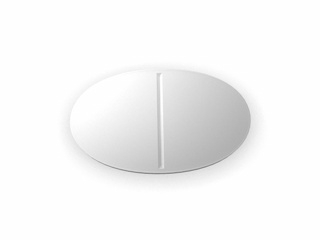
- How it may be presented: Tablets or oral suspension (form may vary by market/stock)
- Common strengths: Depends on formulation (ask your pharmacist for the exact strength you have)
- Availability in the UK: Typically available through NHS and private supply routes depending on stock and prescribing status
2. How Viramune works (mechanism of action)
HIV relies on an enzyme called reverse transcriptase to convert its genetic material into a form it can use to replicate. Nevirapine belongs to the NNRTI family. It works by binding to reverse transcriptase and blocking its activity.
By interrupting this step in HIV replication, Viramune helps lower the amount of virus in the blood (viral load). Because HIV can develop resistance when used incorrectly or as the only active agent, nevirapine is used as part of a combination regimen.
3. Pharmacokinetics (how the body handles it)
Understanding pharmacokinetics can help you take your medicine consistently and recognise why monitoring is important.
Absorption
Nevirapine is absorbed after oral dosing. It reaches peak levels in the blood after oral administration. The time to peak can vary between individuals.
Distribution
Nevirapine distributes throughout the body, including tissues relevant to HIV infection.
Metabolism
Nevirapine is primarily metabolised by the liver through enzymes of the cytochrome P450 system (notably CYP3A-related pathways).
Elimination
It is eliminated mainly via metabolism and excretion. Because metabolism involves liver pathways, liver function is an important consideration.
Half-life (practical meaning)
Nevirapine has a relatively long duration of action, which is one reason it can be dosed once/twice daily depending on the regimen phase. Even with a long duration, missing doses can still allow viral replication and resistance.
4. Typical use and why combination therapy matters
Viramune is used to treat HIV-1 infection in adults and (in certain circumstances) children, as part of combination antiretroviral therapy.
It is not usually used as a single medicine. Combination therapy helps:
- Prevent resistance by reducing the chance that HIV can replicate despite one drug failing
- Improve viral suppression and immune recovery
- Provide durable treatment when carefully managed and taken consistently
5. Indications (when it is used)
Viramune (nevirapine) is indicated for the treatment of HIV-1 infection, in combination with other antiretroviral medicines. Your clinician will decide the best regimen based on factors such as:
- Your treatment history and previous viral load response
- Any known resistance results
- Your overall health, including liver function
- Drug interactions with other medicines you take
- Whether an alternative regimen is more suitable
6. Dosing: initiation, timing, and missed doses
Nevirapine dosing often uses an initial “lead-in” period followed by a maintenance dose. The purpose of this approach is to reduce the risk of certain reactions, including rash and liver problems.
Common adult dosing approach (general guidance)
- Lead-in (starter phase): A lower daily dose is used for a specified period, typically for the first 14 days.
- Maintenance (after lead-in): The dose is increased to the standard twice-daily schedule used in many regimens.
Important: Exact dosing depends on your regimen, age/weight (if applicable), formulation (tablet vs suspension), and any changes to your therapy. Always use the dose and schedule you have been given.
Timing and consistency
If your schedule is twice daily, try to take doses at consistent times (for example, morning and evening). Consistent timing helps maintain steady drug levels and reduces the risk of resistance.
- Plan your routine: Link doses to regular activities like breakfast and bedtime.
- Use reminders: Phone alarms, pill boxes, or written schedules can help.
- Do not double up: If you miss a dose, do not take extra unless your clinician/pharmacist tells you to.
If you miss a dose
General advice:
- If you remember soon after the missed dose, take it when you can—then take the next dose at the usual time.
- If it is near the time of the next dose, skip the missed dose and continue with the regular schedule.
- Seek advice if you miss multiple doses or are unsure how to restart.
7. How to take Viramune: food, drinks, and alcohol
Food interactions
Nevirapine can usually be taken with or without food. Food may influence absorption for some people, but it is generally not a strict requirement to take it on an empty stomach.
To keep things simple and consistent:
- Take your medicine at the same time each day.
- If you prefer to take it with food to avoid stomach upset, do so consistently.
- If you switch from taking with food to on an empty stomach (or vice versa), discuss with a pharmacist—especially if you have side effects.
Alcohol and liver safety
Nevirapine is associated with the possibility of liver injury in some patients. Alcohol can also affect the liver. For this reason, it is usually recommended to:
- Limit alcohol and avoid binge drinking.
- Seek medical advice if you have a history of liver disease, hepatitis, or abnormal liver tests.
- Stop alcohol and contact your healthcare team promptly if you develop symptoms of liver problems (see Safety Profile).
Common drinks to be cautious with
In addition to alcohol, be cautious with:
- Herbal products (some can interact with liver enzymes)
- High-dose vitamins/minerals taken regularly
8. Medicine interactions: what to tell your pharmacist
Nevirapine has important interactions with other medicines because it can affect liver enzymes involved in drug metabolism and because other medicines can change nevirapine blood levels.
Alcohol and medicine interactions
Alcohol can worsen liver strain. When combined with medicines that also affect the liver, the risk may increase. Always discuss your full list of medicines and supplements, including “over-the-counter” items.
Examples of medicines that may interact
Interaction risks vary and depend on your exact regimen. The following categories are commonly relevant:
- Other antiretrovirals: Some combinations can increase or decrease drug levels.
- Anticonvulsants (anti-epileptic medicines): can significantly alter nevirapine levels.
- Rifampicin/rifabutin (for tuberculosis): may require dose adjustments or alternative regimens.
- Hormonal contraceptives: may require additional contraception measures depending on guidance.
- Antifungals and macrolide antibiotics: can affect enzyme pathways.
- St John’s wort (herbal remedy): should generally be avoided as it can reduce effectiveness.
- Medicines affecting liver metabolism: including some antidepressants, antipsychotics, and statins (individual assessment required).
What you should do
- Keep an up-to-date list of everything you take (including supplements and herbal products).
- Check interactions before starting any new medicine.
- Do not stop or change your regimen without medical advice.
9. Safety profile: common and serious side effects
Like all medicines, Viramune (nevirapine) can cause side effects. Some reactions are uncommon but serious, especially during the early weeks of treatment. The risk is higher during the first 6–12 weeks for certain adverse events, which is why monitoring is important.
Seek urgent medical help if you have
- Signs of a severe allergic reaction (swelling of face/lips, difficulty breathing, fainting)
- Severe skin reactions (blistering, peeling skin, mouth ulcers, widespread rash)
- Symptoms of liver problems such as:
- Yellowing of the skin or eyes (jaundice)
- Dark urine
- Severe tiredness, loss of appetite
- Nausea/vomiting with general unwell feeling
- Right upper belly pain
- Fever, rash, swollen glands or severe flu-like symptoms
Common side effects
Some people experience mild to moderate side effects, such as:
- Rash
- Headache
- Diarrhoea or stomach discomfort
- Feeling generally unwell
- Nausea
Liver monitoring (very important)
Nevirapine has been associated with hepatitis and liver failure in some individuals. Risk may be higher in certain groups and early in treatment. Your clinician will usually perform blood tests to check liver function, particularly early on.
Rash and hypersensitivity considerations
Rash may occur. Mild rash can be managed under supervision, but severe rash can be life-threatening. If you develop a rash—especially with fever, blistering, or mouth sores—contact your healthcare team promptly.
Other precautions
- If you have a history of liver disease or viral hepatitis, the risk profile may be different—extra monitoring may be needed.
- Tell your clinician about any past reactions to nevirapine or other NNRTIs.
- Do not ignore early symptoms—early action improves outcomes.
10. Practical use tips (making treatment easier and safer)
- Use a dose organiser: A pill box helps prevent missed doses.
- Don’t change timing randomly: If your schedule changes, aim to keep intervals similar.
- Attend blood tests: Liver monitoring and overall safety checks are a key part of care.
- Keep medicines in their packaging: Especially if you have multiple strengths or formulations.
- Track symptoms: If you notice rash, fatigue, or abdominal discomfort, note when it started and its severity.
- Maintain adherence support: If you struggle with routine, ask your team about adherence aids.
Taking tablets vs oral suspension
If you are taking the oral suspension, follow instructions for measuring doses precisely and shaking the bottle if required by the product label. If you switch formulations, your dose schedule should still match your prescriber’s plan—confirm with your pharmacist.
11. Alternative options (other antiretrovirals)
Depending on your situation and the current preferred regimens, clinicians may choose different antiretroviral medicines instead of nevirapine. Alternatives can include medicines from other classes (for example, integrase inhibitors, protease inhibitors, or other NNRTIs).
The “best” alternative depends on:
- Previous treatment history and viral resistance patterns
- Co-existing conditions such as liver disease or kidney problems
- Potential drug–drug interactions
- Convenience (dose frequency) and tolerance
Do not switch without medical advice. If nevirapine is not suitable, your healthcare team will propose an alternative regimen with appropriate monitoring.
12. UK market and legal context (what you should know)
In the UK, antiretroviral medicines are regulated and supplied through established routes, typically involving specialist HIV clinics. Medicine availability can vary by:
- Stock levels and supply chain schedules
- Formulation availability (tablet vs suspension)
- Local commissioning and NHS pathways
- Hospital and community pharmacy distribution arrangements
The UK also has structured guidance for HIV treatment and monitoring, which influences regimen choices. Always ensure your medicine matches your planned regimen and formulation.
13. Recent guidance and how it can affect use
HIV treatment guidance in the UK is regularly reviewed. Over time, clinicians may prefer regimens with improved safety/tolerability profiles and a lower risk of serious adverse effects compared with older options.
Nevirapine is generally considered where it is appropriate based on:
- Your prior response and resistance history
- The availability of other suitable options
- Drug interaction profiles
- Individual risk factors for liver toxicity and rash
If you have been advised to take Viramune, it means your healthcare team has determined it to be suitable for you in your current circumstances. If you have concerns, discuss them with your clinician rather than stopping the medicine.
14. Delivery and availability (online pharmacy considerations)
Availability of Viramune can vary. When ordering online in the UK, pharmacies typically ensure safe supply processes such as verification, packaging, and appropriate storage guidance.
You may find:
- Standard delivery options with tracking (where provided)
- Next working day / express options during business hours (depending on supplier)
- Packaging designed to protect tablets/suspension and provide clear labelling
- Stock checks that can affect dispatch times
If you need a specific formulation (for example, suspension for children or those who cannot take tablets), check the product details carefully or contact customer support.
15. Frequently Asked Questions (FAQ)
Is Viramune used for HIV treatment only?
Yes. Viramune (nevirapine) is used to treat HIV-1 infection as part of combination antiretroviral therapy. It is not used for other viral infections.
Can I take Viramune with food?
In general, nevirapine can be taken with or without food. Choose a routine you can stick to. If you experience stomach upset, taking with food may help—confirm with a pharmacist if you’re unsure.
Why is there a starter (“lead-in”) period?
The starter phase uses a lower dose to reduce the likelihood of rash and liver-related complications. It is important to follow the schedule exactly during the first weeks.
What should I do if I develop a rash?
Contact your healthcare team promptly, especially if the rash is severe or comes with fever, blistering, mouth sores, or feeling very unwell. Do not assume it is harmless.
How often will I need blood tests?
Blood tests are usually more frequent early in treatment to monitor liver function and overall safety. Your clinician will set the schedule based on your results and risk factors.
Can I drink alcohol while taking Viramune?
Alcohol may increase stress on the liver, which is relevant because nevirapine can also affect liver function. It’s best to limit alcohol and discuss your exact situation with your healthcare team. Avoid binge drinking and seek advice urgently if you develop liver symptoms.
What medicines and supplements should I avoid?
Many medicines can interact with nevirapine. In particular, discuss: anti-epileptics, TB medicines like rifampicin, hormonal contraceptives, certain antibiotics/antifungals, antidepressants/antipsychotics, and herbal products such as St John’s wort. Always check before starting anything new.
What if I miss a dose?
If you miss a dose, take it when you remember if it’s not too close to the next one. If it’s near the time of the next dose, skip the missed dose and continue as normal. Do not double up. If you miss several doses, contact your healthcare team for advice on restarting.
Is there anything special about starting Viramune if I have hepatitis or liver disease?
Yes. Your clinician may adjust monitoring and may consider alternative regimens depending on liver function and co-infections. Let your healthcare team know about any history of hepatitis, cirrhosis, or abnormal liver tests.
Are there alternatives if I can’t tolerate nevirapine?
Often, yes. Treatment alternatives depend on your personal regimen and safety profile. Discuss options with your HIV specialist—switching should be planned carefully with monitoring.
How long does it take to see benefits?
Many people see viral load reductions within weeks, but the exact timeline depends on adherence, baseline viral load, resistance, and the rest of the combination regimen. Your clinician will guide follow-up testing.
16. Summary
Viramune (nevirapine) is an NNRTI used as part of combination therapy to treat HIV-1 infection. It works by blocking HIV reverse transcriptase, helping lower viral load and support immune recovery.
Nevirapine requires careful attention during the early weeks due to the risk of rash and liver-related adverse effects. Consistent dosing, attendance at monitoring appointments, and avoiding interactions (including alcohol and certain interacting medicines) are key to safer treatment.
If you have questions about your specific product strength, how to take it, or potential interactions with your other medicines, speak to a pharmacist or your HIV care team.
Note: This information is for general understanding. It does not replace advice from healthcare professionals. If you feel unwell or notice symptoms such as severe rash or signs of liver problems, seek medical help urgently.